Biotechnology in Singapour
 Singapour is establishing itself as a major player of innovation in biotechnology with its network of public and private R&D and its cutting-edge infrastructures.
If many associate Singapore with international finance and the high standard of living which goes with their dynamic economy, perhaps less is known of its academic excellence (two universities in the top 15 in 2017 QS World Rankings) and a rather unique concentration of multinational industrial companies, creating a rich R&D microenvironment.
If manufacturing only contributes 20% of GNP and biotechnology is a relatively small, but expanding part of this effort (18 Billion SGD and 6250 employees for pharmaceutics and biologics sector but also contributing to the food and chemicals sectors).
 The biotechnology effort was indeed dominated for many years by pharmaceuticals, reflecting the dominance of biomedical research in the universities and a national priority domain, financed over many years including the creation of A*Star (http://www.a-star.edu.sg), a public strategic research institution coupling scientific excellence to industrial innovation.
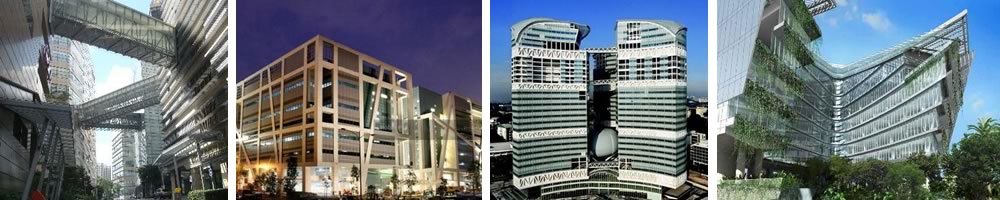
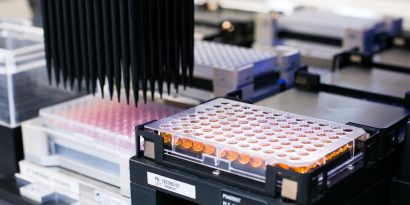
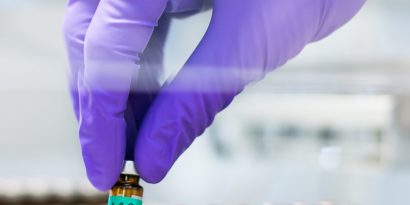
Located at Biopolis, 18 A*Star research institutes (5500 scientists and 250 M SGD/year industrial contracts) share the site with various industrial companies in a purpose-built multi-sectorial science park (see photos below), close to the National University of Singapore campus.
To diversify the research effort in biotechnology, there was a short-lived flirtation with chemical production from biomass (perhaps influenced by the petrochemical installations at Jurong Island) before shifting to a more realistic target sector in the low volume, high margin ingredients in which the absence of cheap feedstock is not a major constraint.
The industrial companies are already present in this food, nutrition and personal care sector: Nestlé have one of only three global innovation centers here and the growing market in Asia (7% growth per year) has certainly played a part in others moving to this cosmopolitan island state, ideally placed only a few hours air flight to access half the world’s population. The biotechnology effort including the big brand names (L’Oreal, Nestlé, Danone, Abbot, Coca-Cola, Mondelez, General Mills, etc) and the major ingredients producers (Givaudan, Firmenich, IFF, Symrise, ADM, Dupont, Kerry, Ingredion, etc) have been joined in the last year or so by Roquette, MANE, Robertet, Ferrero, Evolva amongst others. Industrial R&D scientists in biotechnology have grown from 300 to 700 over the last five years at Biopolis and shows no signs of slowing down.
The public research structure is also adapting to this new challenge with major national initiatives in synthetic biology and advanced manufacturing technology, but also by second generation A*Star initiatives including new laboratories in clinical nutrition, skin research and the platform for biotransformation innovation (strongly influenced by the TWB model) as well as emerging programs in next generation safety testing and food structure engineering all centered on interdisciplinary excellence tailored to facilitate innovation transfer to industry and a push towards creating a high performance, modern manufacturing presence in Singapore, combining efficacy, safety and sustainability in modern, low footprint installations coherent with Singapore’s long-term economic plans for this garden city.