Solvay
 Fondé en 1863 sur le développement du procédé Solvay de production du carbonate de soude, le Groupe Solvay a profondément évolué, et notamment lors des 15 dernières années.
Le Groupe est maintenant présent de façon équilibrée sur les différents continents et est de plus en plus orienté vers la chimie de spécialité.
Son portefeuille a été transformé en profondeur. Les dernières modifications importantes ont été l’échange des polymères de commodités (polyoléfines) contre ceux de spécialités de BP, l’achat des spécialités fluorées d’Ausimont, la vente de ses activités pharmaceutiques et l’achat de la société Rhodia.
Si la R&D est réalisée principalement au sein des lignes business, qui sont en charge de leur avenir à tous les horizons, certaines thématiques d’innovation sont traitées au niveau Groupe, et notamment la « chimie du renouvelable et les biotechnologies ».
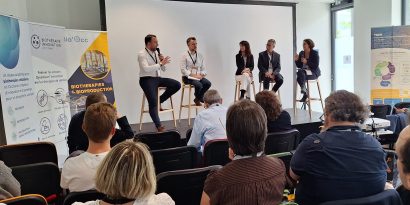
La proposition stratégique dans ce domaine a été redéfinie et vise à exploiter les leviers que sont la différenciation offerte par l’utilisation de la structure unique des produits biosourcés, la compétitivité permise par la valorisation de flux co-produits par d’autres industries, la « naturalité » de certains produits et procédés, ainsi que la compatibilité avec toute forme de système vivant (parfois surnommée « attribut bio »). Les progrès fulgurants que les outils biotechnologiques ont connu récemment sont au service de cette stratégie. Ils offrent un potentiel d’innovation de rupture par la sélectivité qu’ils peuvent apporter. Ceci demande au Groupe d’être en contact avec les universités et centres de recherche en pointe dans ces technologies.
Pour cela, Solvay utilise différentes formes d’innovation ouverte, avec :
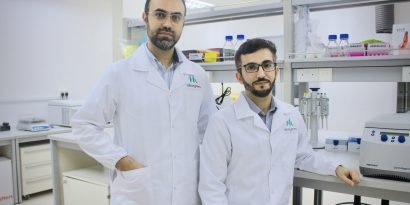
- Des travaux avec des universités ou centres de recherche, via des projets en consortium, en Europe, au Brésil, en Chine
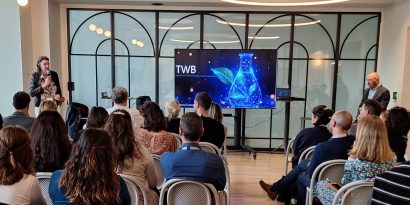
- Une présence au sein de regroupements comme TWB, IDEEL ou Pivert en France, ou le BBI au niveau européen
- La participation à différents fonds de capital-risque, comme Capricorn Cleantech Ventures à Leuven (Belgique) ou Sofinnova Green Seed Fund en France.
- Des partenariats industriels tout au long de la chaîne de valeur (au Brésil avec GranBio, en Inde avec MP Birla Group, en Europe avec AKZO).
Dans le cadre de sa politique de Développement Durable, Solvay s’est aussi muni d’outils permettant de valider l’apport de ces innovations, avec notamment l’utilisation d’analyses du cycle de vie des produits et une validation de son portefeuille d’activités via la méthodologie « Sustainable Portfofolio Management » (SPM) développée elle aussi en partenariat.
Solvay
Founded in 1863 on the development of the Solvay process of sodium carbonate production, the Solvay Group has evolved considerably, especially in the last 15 years.
The Group has now established a balanced presence in the different continents and is increasingly geared towards specialty chemistry.
Its portfolio has been profoundly transformed. The last important modifications have been the exchange of convenience polymers (polyolefins) against those of specialties from BP, the purchase of fluorinated specialties from Ausimont, the sale of its pharmaceutical activities and acquisition of the Rhodia Company.
Whereas R&D is carried out mainly within the business lines, which are in charge of their future prospects, some innovation themes are dealt with at the Group level, including the « chemistry of renewable sources and biotechnology ».
The strategic proposal in this field has been redefined and aims to exploit the “levers” represented by the differentiation offered by the use of the unique structure of bio-sourced products, the competitiveness allowed by the valorisation of products flow co-produced by other industries, the « naturalness » of some products and processes, as well as the compatibility with all forms of living systems (sometimes called « bio attribute»). The recent advances in biotechnology tools are at the service of this strategy. They offer breakthrough innovation potential through the selectivity that they can provide. This requires the Group to be in contact with universities and leading-edge research centres in these technologies.
For this, Solvay uses various forms of open innovation, with:
- Works with universities or research centres, via consortium projects, in Europe, in Brazil, in China
- A presence within groupings such as TWB, IDEEL or Pivert in France, or the BBI at European level
- The participation in different venture capital funds, such as Capricorn Cleantech Ventures in Leuven (Belgium) or Sofinnova Green Seed Fund in France.
- Industrial partnerships throughout the value chain (in Brazil with GranBio, in India with MP Birla Group, in Europe with AKZO).
Within the framework of its Sustainable Development policy, Solvay is also equipped with tools allowing for the validation of these innovations’ contribution, with in particular the use of product life cycle analyses and a validation of its activities’ portfolio through the « Sustainable Portfofolio Management » (SPM) methodology also developed in partnership.